September 9, 2026
Area rugs can make a room feel warmer, quieter, and more comfortable, but they also collect more dirt than many homeowners realize. Foot traffic, pet hair, dust, food crumbs, pollen, spills, and airborne particles can all settle into rug fibers over time. Even when a rug looks clean on the surface, debris may remain trapped deeper within the pile where regular vacuuming cannot always reach it. This buildup can affect the rug's appearance, texture, and overall cleanliness, especially in busy areas of the home. Professional rug cleaners can help remove embedded soil and other contaminants that accumulate through everyday use. Understanding how rugs become dirty and what contributes to that buildup can help homeowners decide when routine maintenance is no longer enough.
Tracking Dirt Into the Home
Much of the dirt found in rugs enters the home on shoes, pet paws, clothing, and everyday items. Soil, sand, grass, pollen, road dust, and other outdoor debris can be carried inside and deposited onto floors. Rugs placed near entrances, hallways, kitchens, and living rooms may collect especially high amounts because people frequently walk across them. Over time, these particles can settle below the visible surface and become difficult to remove with quick cleaning methods.
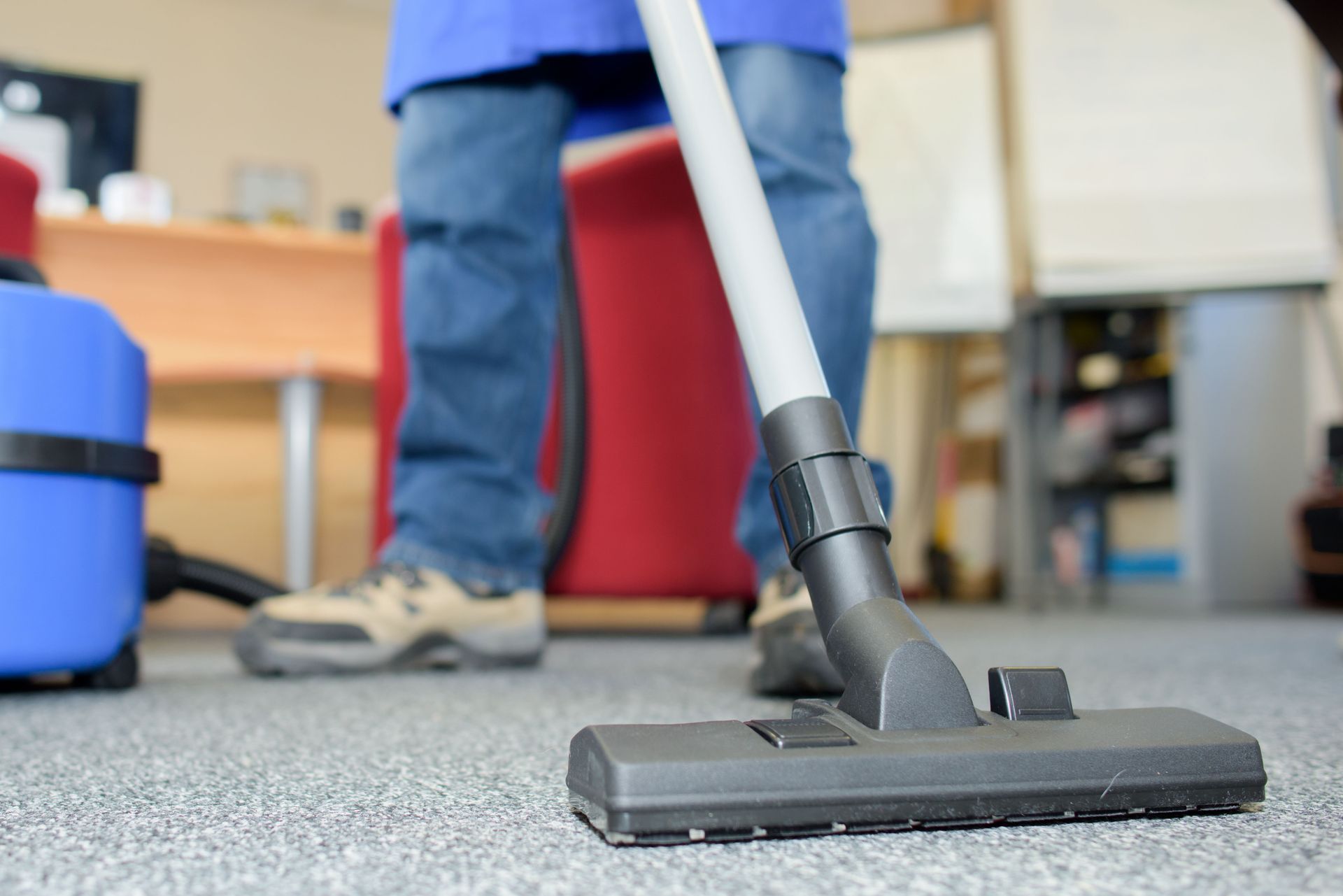
Regular vacuuming can help control loose debris, but it may not remove everything that becomes embedded in the fibers. Fine particles can work their way deeper into the rug as people continue walking across it. Professional rug cleaners can use methods designed to loosen and extract soil that routine household cleaning may leave behind. Addressing this buildup periodically can help keep the rug looking fresher and reduce the amount of abrasive debris that remains trapped within the pile.
Collecting Dust and Airborne Particles
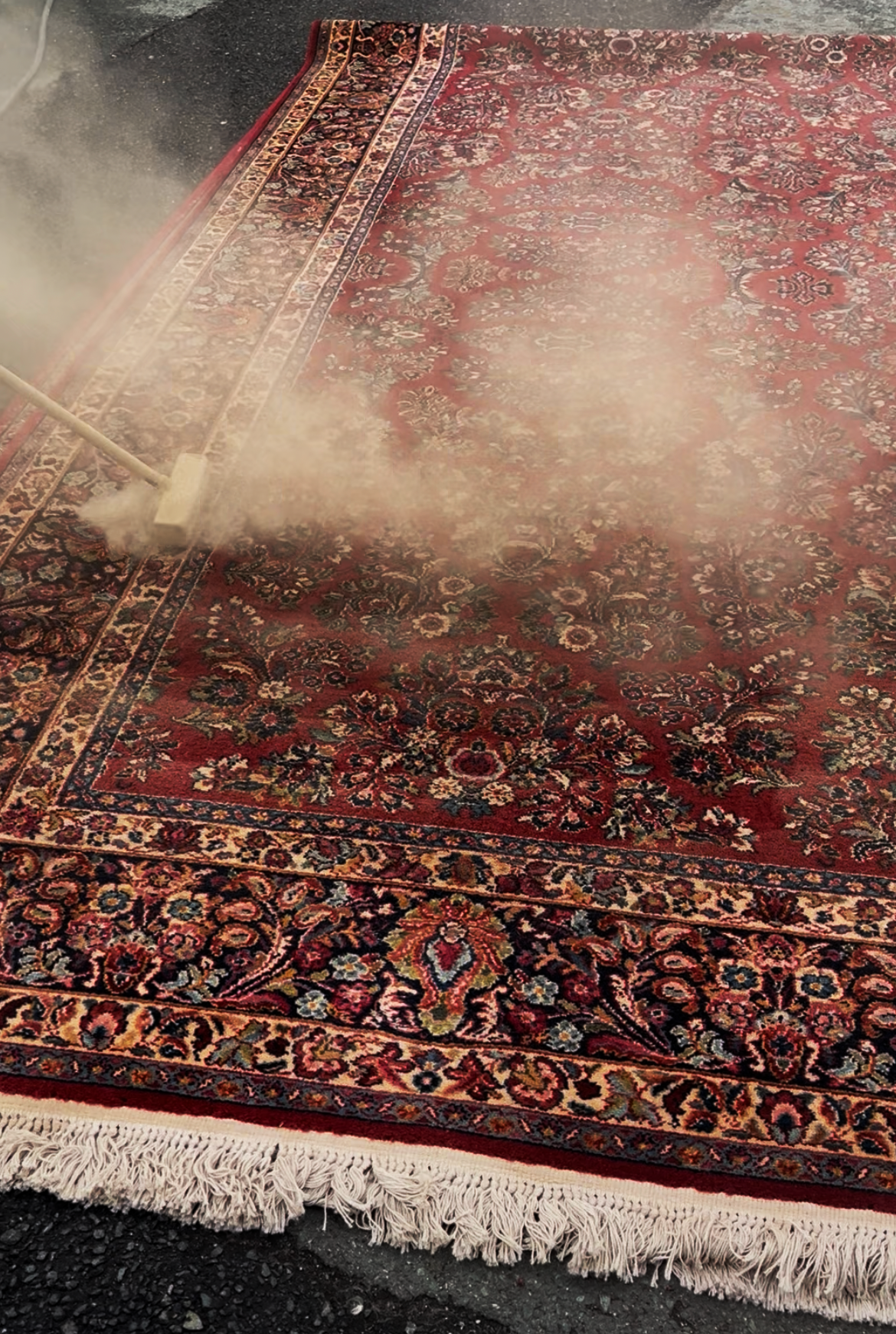
Rugs do not only collect dirt from direct contact. Dust and other airborne particles naturally settle onto surfaces throughout the home, and soft fibers can hold onto these materials. Household dust may contain fibers, skin cells, pet dander, pollen, and other small particles. Even rugs in rooms with relatively little foot traffic can gradually accumulate debris simply because they are exposed to the indoor environment every day.
According to Statista, 79% of households in the United States report having at least one area rug. With rugs being so common, routine care becomes an important part of general household maintenance. Vacuuming both the rug and the surrounding flooring can help, but deeper cleaning may still be needed periodically. Rug cleaners can address particles that have settled below the surface and help refresh rugs that appear dull or dusty despite regular vacuuming.
Absorbing Spills and Everyday Residue
Spills are another major source of rug contamination. Drinks, food, cooking oils, mud, and other substances can soak into fibers quickly, especially if they are not addressed right away. Even after the visible stain is removed, some residue may remain beneath the surface. Sticky materials can attract additional dirt, causing the affected area to become discolored again or feel different from the rest of the rug.
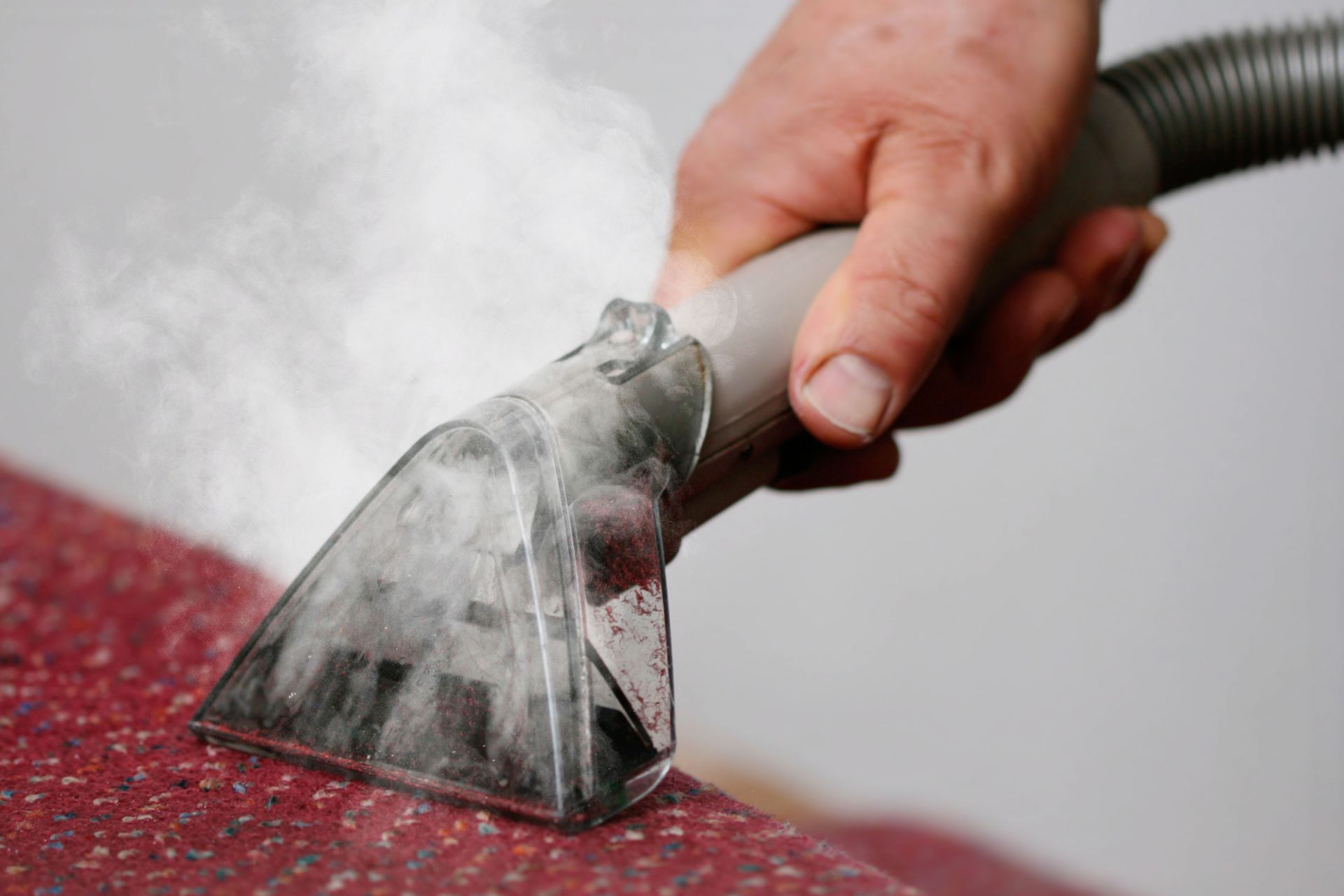
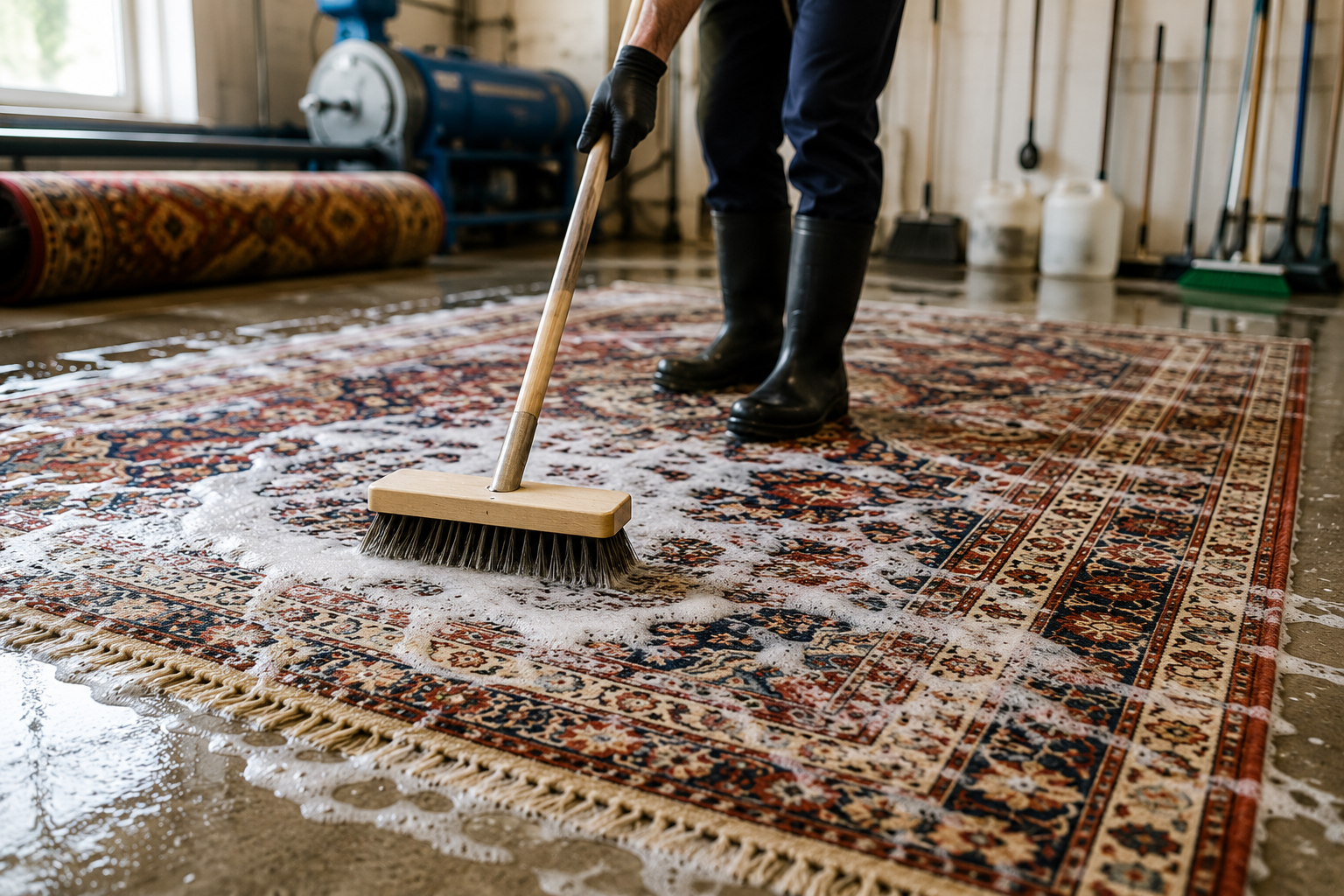
Household cleaning products can also leave residue when they are overused or not fully rinsed away. Applying too much soap to a spot may temporarily improve its appearance while leaving behind material that attracts more soil. Experienced rug cleaners can evaluate stains and select cleaning methods based on the rug's construction, fiber type, and condition. Using an appropriate approach can help remove residue without relying on excessive moisture or harsh treatment that may affect the material.
Accumulating Pet Hair and Odors
Homes with pets often see additional buildup in area rugs. Hair and dander can settle between fibers, while dirt from paws may be tracked indoors throughout the day. Pets may also spend significant time lying on rugs, which allows natural oils and odors to transfer to the surface. In some cases, accidents can penetrate beyond the upper fibers and create odor problems that are difficult to address with surface cleaning alone.
Frequent vacuuming can help manage visible hair, but pet-related residue may require more thorough treatment. Rug cleaners can target embedded hair, dander, soil, and odor-causing material that has collected over time. The appropriate method depends on the rug and the type of contamination involved. Addressing these concerns sooner rather than later can make it easier to maintain a cleaner surface and prevent odors or stains from becoming more noticeable.
Holding Moisture and Hidden Contaminants
Moisture can create additional problems when it becomes trapped in a rug. Spills, wet shoes, pet accidents, humidity, or improper cleaning techniques may leave fibers damp for longer than expected. Thick rugs and dense backing materials can slow drying, especially when airflow is limited. Persistent moisture may contribute to unpleasant odors or allow other contaminants to remain trapped below the visible surface.
Proper drying is an important part of any thorough cleaning process. Professional rug cleaners can use techniques that account for fiber type, backing, thickness, and other characteristics that influence moisture retention. Careful cleaning and drying can help reduce the risk of lingering dampness while removing buildup that may not be visible. Homeowners should also pay attention to musty odors, discoloration, or areas that remain damp after spills or cleaning, as these signs may indicate a deeper issue.
Wearing Down Fibers With Embedded Soil
Dirt does more than make a rug look unattractive. Gritty particles such as sand and soil can act abrasively when they become trapped between fibers. Each time someone walks across the rug, those particles may rub against the material. Over time, this can contribute to matting, dullness, and visible wear, particularly in high-traffic areas where pressure is applied repeatedly.
Removing embedded debris can help reduce some of this ongoing friction. Rug cleaners can perform deeper cleaning that reaches beyond the surface and lifts material that ordinary vacuuming may miss. While cleaning cannot reverse existing fiber damage, regular maintenance can help prevent unnecessary buildup from remaining in the rug for extended periods. This is especially important for rugs used in entryways, family rooms, dining areas, and other spaces where foot traffic is frequent.
Recognizing When Deeper Cleaning Is Needed
A rug does not have to look heavily stained before it needs more thorough attention. Dull colors, flattened fibers, persistent odors, visible traffic patterns, recurring spots, or excessive dust can all indicate that routine vacuuming is no longer removing enough buildup. Homeowners may also notice that a rug feels different underfoot or appears clean immediately after vacuuming but quickly looks worn again.
The right cleaning schedule depends on factors such as household size, pets, children, foot traffic, rug placement, and the type of material. Rugs in rarely used rooms may need less frequent care than those placed in busy living spaces. Professional rug cleaners can evaluate the condition of a rug and recommend an appropriate cleaning approach based on how it is used. Paying attention to changes in appearance, texture, and odor can help homeowners address buildup before it becomes more difficult to remove.
Area rugs can collect a surprising amount of dirt, dust, pet hair, spills, residue, moisture, and airborne particles through normal household use. Much of this material can settle deep within the fibers, where it may not be visible and may resist routine vacuuming. Over time, embedded soil can affect appearance, contribute to odors, and increase wear in frequently used areas. Consistent vacuuming, prompt attention to spills, and periodic deeper cleaning can all help maintain a rug more effectively. Understanding how much debris rugs can hold makes it easier to recognize when professional care may be worthwhile. If your rugs are looking dull, carrying odors, or showing signs of heavy use, contact Rudy's Rug Cleaning to schedule professional service.