July 23, 2026
Welcome to our comprehensive guide on taking care of your beloved floor coverings. When you bring a beautiful woven piece into your home, you add warmth, texture, and artistic value to your living space. Over time, daily foot traffic, airborne dust, and accidental spills dull the vibrant colors and soften the intricate patterns of your favorite textiles.
Maintaining the visual appeal of these woven treasures requires more than a quick vacuuming session. It demands a thorough, thoughtful approach that respects the delicate fibers while removing deeply embedded soils. Homeowners often underestimate the microscopic debris that accumulates beneath the surface. This invisible grit can slowly degrade the foundation, leading to premature wear. Therefore, exploring the comprehensive rug cleaning journey provides valuable insight into how professionals restore essential home decor. By understanding this careful restoration journey, you gain a deeper appreciation for the meticulous effort required to breathe new life into your textiles. Implementing a regular care routine protects your financial and sentimental investment from the inevitable hazards of daily residential life.
Evaluating the Fibers and Fabric Types
Before any water touches the textile, a rigorous assessment phase must occur. Experts carefully examine the weaving style, fiber composition, and overall condition of the piece. Different materials react uniquely to moisture, making this initial evaluation critical. Whether the textile is composed of natural wool, delicate silk, resilient cotton, or synthetic blends, identifying the exact material dictates the safest strategy.
Professionals look closely for pre-existing damage, such as unraveling fringes, weak foundation threads, or evidence of insect activity. They also note prominent stains, fading, and general wear patterns caused by heavy foot traffic. This detailed inspection allows the specialist to customize the subsequent treatments, ensuring the integrity of the weave remains completely uncompromised. Bypassing this vital evaluation during your routine rug cleaning could result in irreversible damage, such as shrinking or distorted shapes. An expert eye is necessary to chart the correct path toward complete restoration. Furthermore, understanding the specific dye types used during manufacturing helps prevent color bleeding during the subsequent washing phases. This comprehensive diagnostic process serves as a roadmap that guides every single operational decision made by the restoration team.
Removing the Embedded Dry Particulates
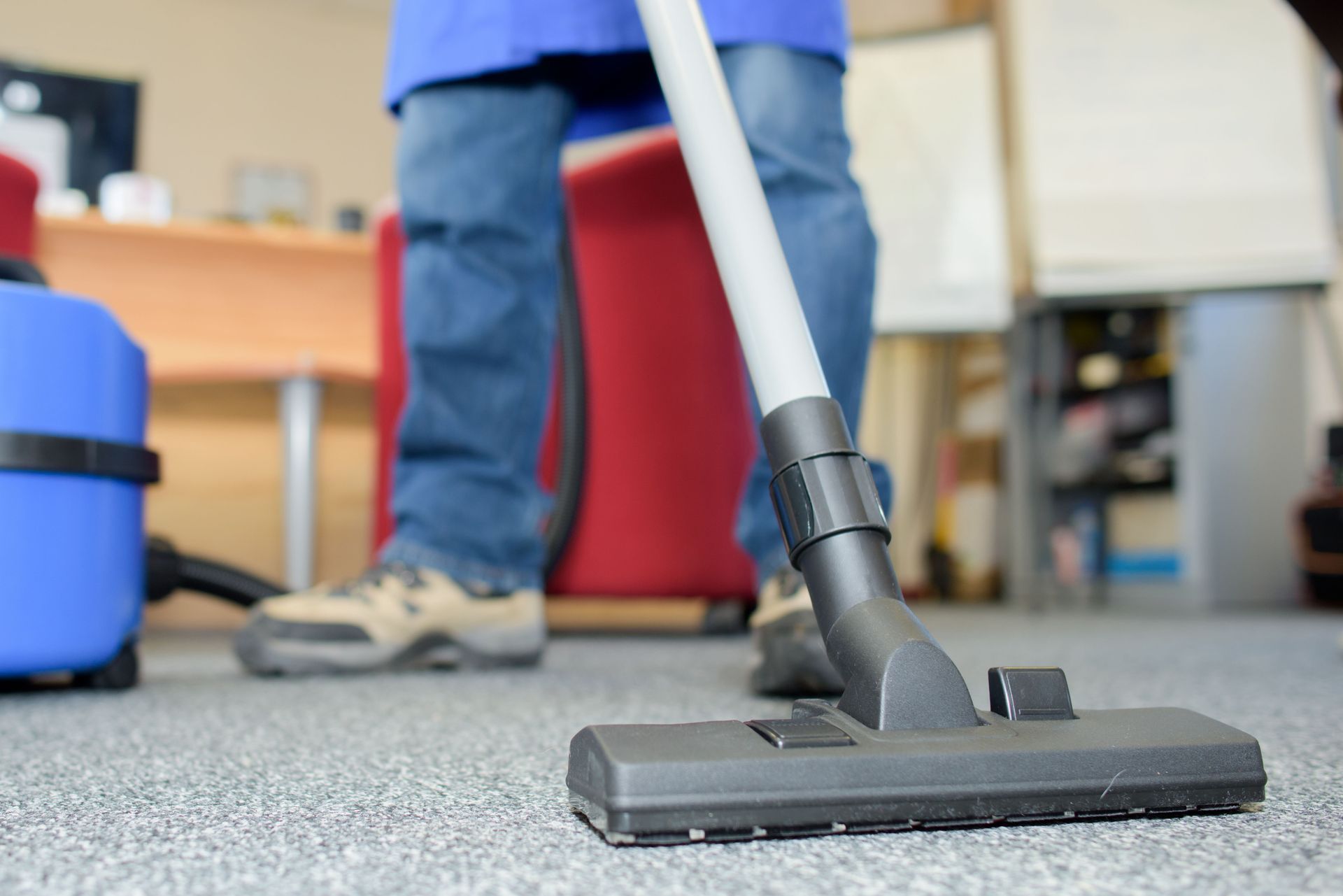
Once the assessment is complete, the focus shifts to the physical extraction of dry soils. Standard household vacuums only skim the uppermost layer of the pile, leaving a significant volume of dirt, pollen, and abrasive grit trapped near the foundation. If these dry particles are not thoroughly removed before the introduction of liquids, they mix with moisture to form a thick mud that clings stubbornly to the base fibers.
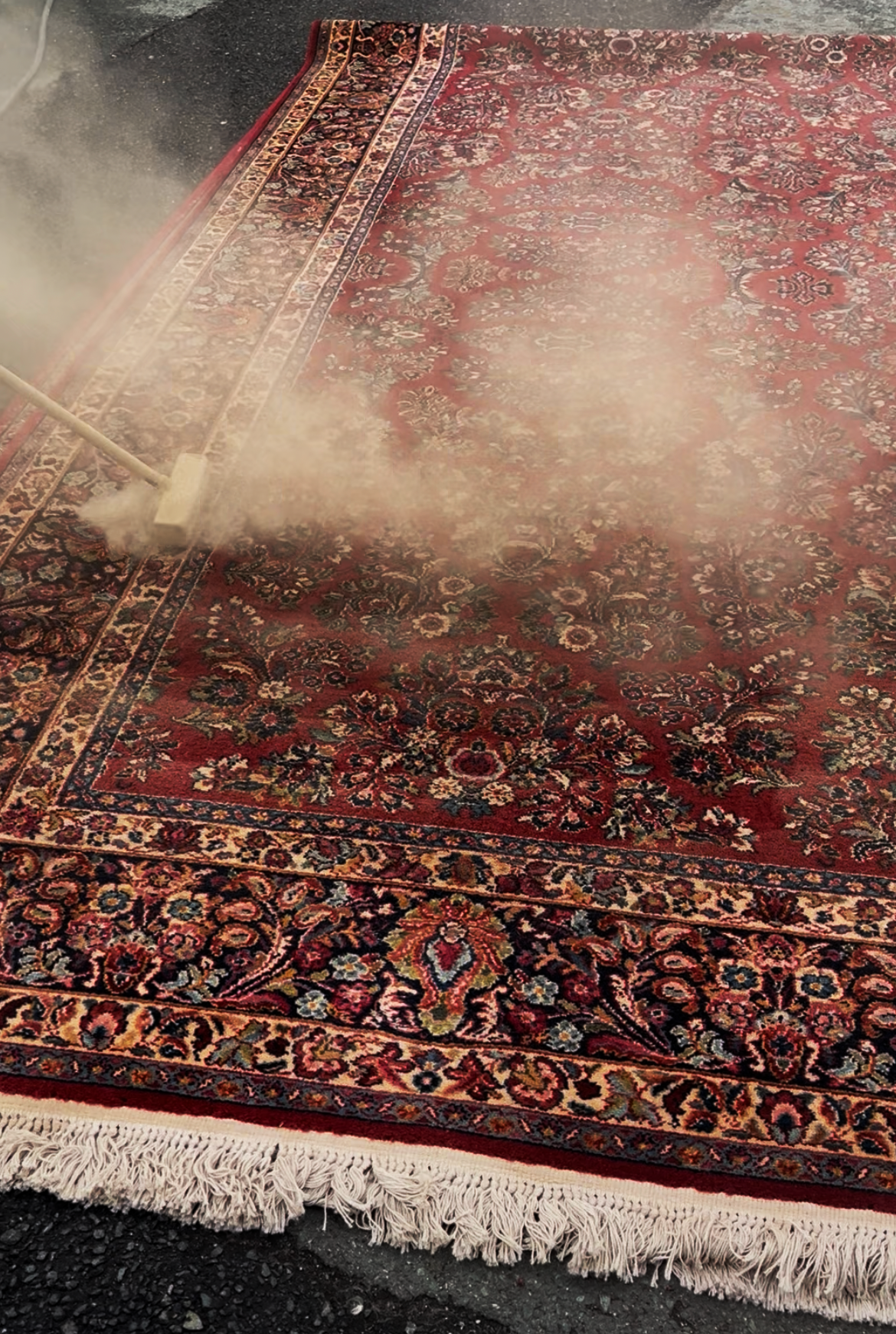
To prevent this muddy buildup, specialists utilize techniques designed to dislodge and extract this hidden debris safely. We used compressed air to gently blow the stubborn dirt out from deep within both sides of the pile without breaking delicate face yarns. This dusting phase yields a surprising amount of fine soil, highlighting the limitations of routine sweeping. Eliminating this abrasive grit is vital because these sharp particles slice against the fibers, causing steady degradation. Thorough dry soil removal sets the stage for a much more effective rug cleaning experience. By clearing away these deeply rooted contaminants, the specialized cleaning solutions can penetrate the individual fibers far more efficiently. Consequently, this intensive pre-wash dusting drastically improves the overall clarity and vibrancy of the final results.
Applying the Preconditioning Treatments
Some rugs require pre-treatment due to the type and level of soiling. The preconditioning phase involves applying a specially formulated solution designed to break down greasy residues, stubborn spots, and atmospheric pollutants bonded to the yarns. These sticky soils are often the culprits behind the dull appearance of older textiles. The preconditioning agent dwells on the surface, gently loosening the grip of unwanted contaminants.
During this dwell time, specialists apply specific stain-removing compounds to areas impacted by localized accidents. The goal is to emulsify stubborn soils so they can be rinsed away with minimal physical force. Using the correct chemistry is paramount, as overly aggressive solutions strip natural oils from wool or cause permanent discoloration. Professionals rely on balanced formulas that respect the natural pH of the fibers while delivering dirt-lifting capabilities. This preparatory step is essential for achieving a revitalized appearance during the rug cleaning process. Carefully monitoring the reaction of the fibers during this phase guarantees that the treatment remains perfectly safe yet highly effective. This scientific approach to soil suspension ensures that even the most stubborn, deeply set stains are safely broken down before the main wash.
Agitating and Rinsing the Materials
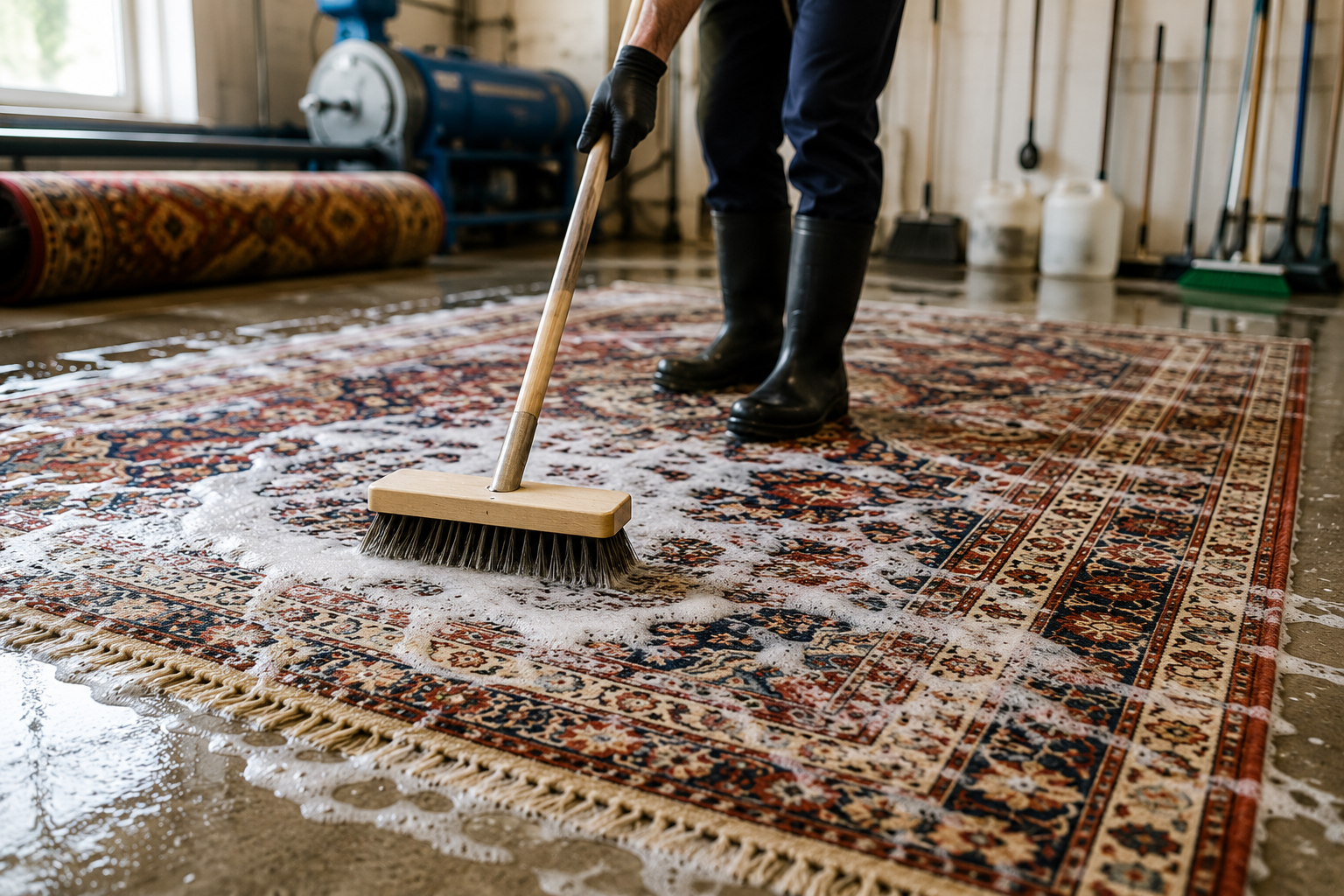
After the preconditioning agents successfully emulsify the bound soils, the rug is submerged in a large wash tank. Once the rug has been submerged for the allotted period of time based on the level of soiling, it is removed from the tank, and the agitation phase begins. This phase involves a gentle agitation method to work the solutions completely through the pile and down to the foundation. Soft-bristled brushes or specialized massaging tools glide across the surface, lifting away the loosened dirt without causing friction or unravelling yarns.
Once the soils are fully suspended, a thorough rinsing procedure follows. Copious amounts of fresh, clean water flow through the textile, flushing out every trace of dirt, grease, and residual washing agents. Leaving soap behind is a common mistake, and this residue acts as a sticky magnet for future dirt, causing the piece to soil rapidly. After the rinsing stage, we move to the drying phase.
Extracting Moisture and Drying Gently
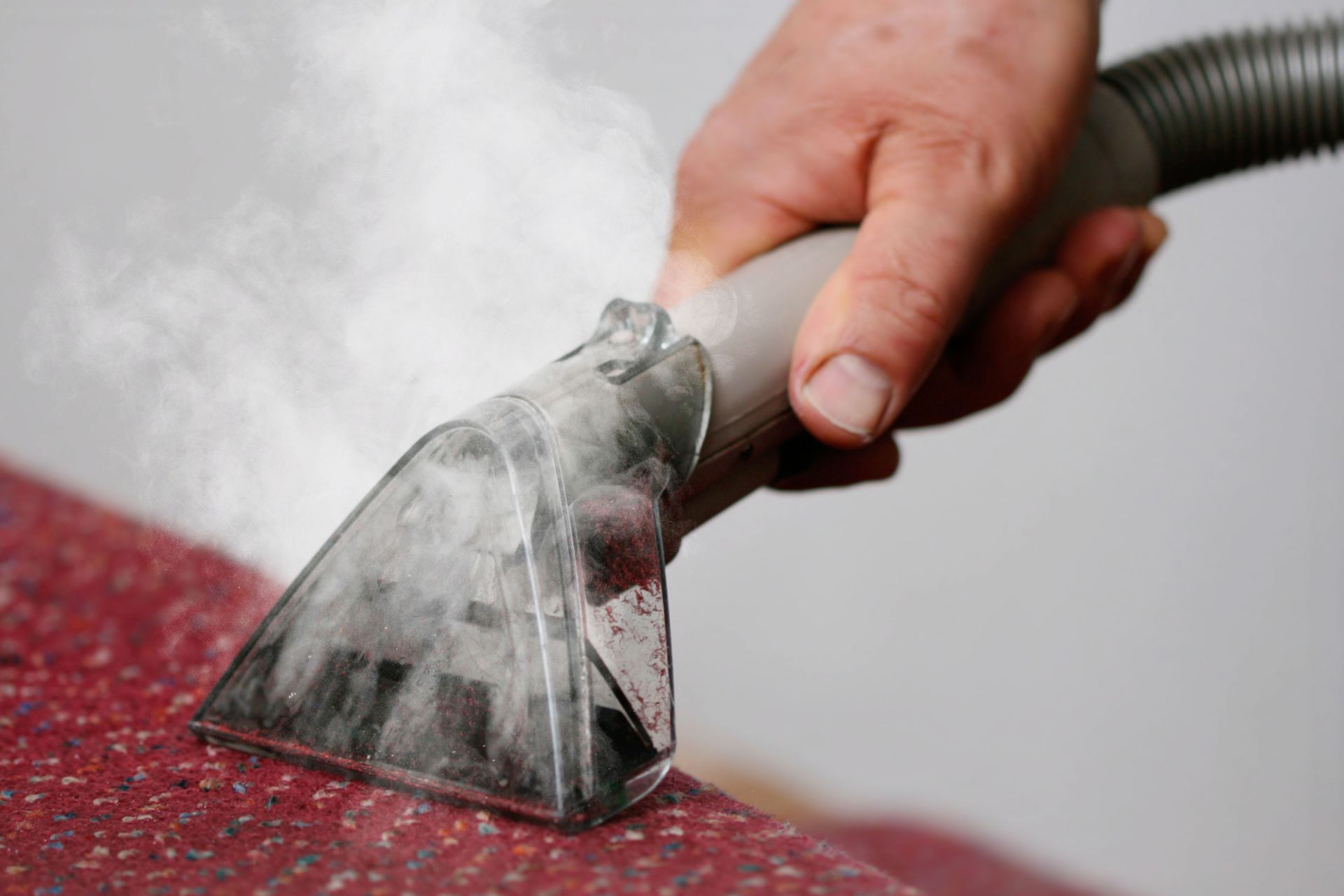
Following the comprehensive rinse, the textile must be dried rapidly to prevent structural issues or unpleasant odors. Leaving a woven piece saturated with water encourages mildew growth, rotting of foundation threads, and browning of the fibers. To mitigate these risks, specialists employ powerful extraction methods that remove the vast majority of the moisture almost instantly.
Specialized centrifuge machines spin the textile, expelling the water safely through centrifugal force without wringing or stretching the fabric. Once the excess water is removed, the piece is transferred to a climate-controlled drying environment. High-velocity air movers and industrial dehumidifiers work in tandem to create an ideal atmosphere for rapid evaporation. The textiles are typically hung or laid flat on specialized racks, promoting continuous airflow. According to The Spruce, carpets and rugs should be deep cleaned at least every 18 months. Following this schedule prevents permanent degradation and ensures the piece dries evenly while locking in a fresh scent.
The final steps of the journey involve meticulous grooming and a thorough inspection to ensure the textile meets the highest possible standards of quality. The pile is carefully aligned to restore its intended texture, and the fringes are detailed to provide a crisp, finished look.
Maintaining a consistent schedule for this extensive preservation process is the best way to prolong the life and beauty of your woven investments. Regular professional intervention not only enhances the visual appeal of your space but also contributes to a healthier indoor environment. By choosing a dedicated rug cleaning schedule, you ensure your favorite pieces remain vibrant, plush, and structurally sound for generations to come. When you are ready to rejuvenate your precious floor coverings and bring them back to life, call Rudy's Rug Cleaning to learn more. Entrusting your treasured family heirlooms to experienced professionals provides peace of mind that every fiber receives the exact care it requires.