October 13, 2026
When you look at the beautiful textiles in your very own home, you might simply see a beautiful piece of decor. However, keeping these woven treasures pristine involves much more than running a vacuum over them. Whether you have a modern synthetic piece or an antique heirloom, the process of maintaining them is incredibly intricate. Many homeowners attempt DIY methods, only to find that stains remain or, worse, the fibers become damaged. Understanding why this process is so complicated helps illuminate the value of seeking a professional rug cleaning service. There are many variables to consider, from the type of fiber to the soil embedded within the weave. In this comprehensive guide, we will dive deep into the myriad of reasons that make maintaining these beautiful pieces such a monumental and highly specialized task.
Analyzing the Delicate Nature of Natural Fibers
One primary reason the maintenance process is challenging is the wide variety of materials used in construction. Each material requires a vastly different approach. For instance, wool rug cleaning demands a gentle touch because wool can easily shrink, felt, or lose its natural oils if exposed to high heat or harsh chemicals. Alternatively, maintaining delicate silks requires an even more precise pH balance to prevent the fibers from losing their characteristic sheen or becoming brittle over time. Even modern materials present their own unique hurdles; synthetic rug cleaning often involves dealing with oil-based stains that cling stubbornly to petroleum-based fibers like nylon or polyester. Because every single fiber reacts differently to water and cleaning agents, a one-size-fits-all approach is never effective. A reputable rug cleaning service must first carefully identify the exact composition of the piece before a single drop of water is applied, ensuring the structural integrity of the textile remains completely uncompromised throughout the wash.
Extracting Deeply Embedded Soil and Dust
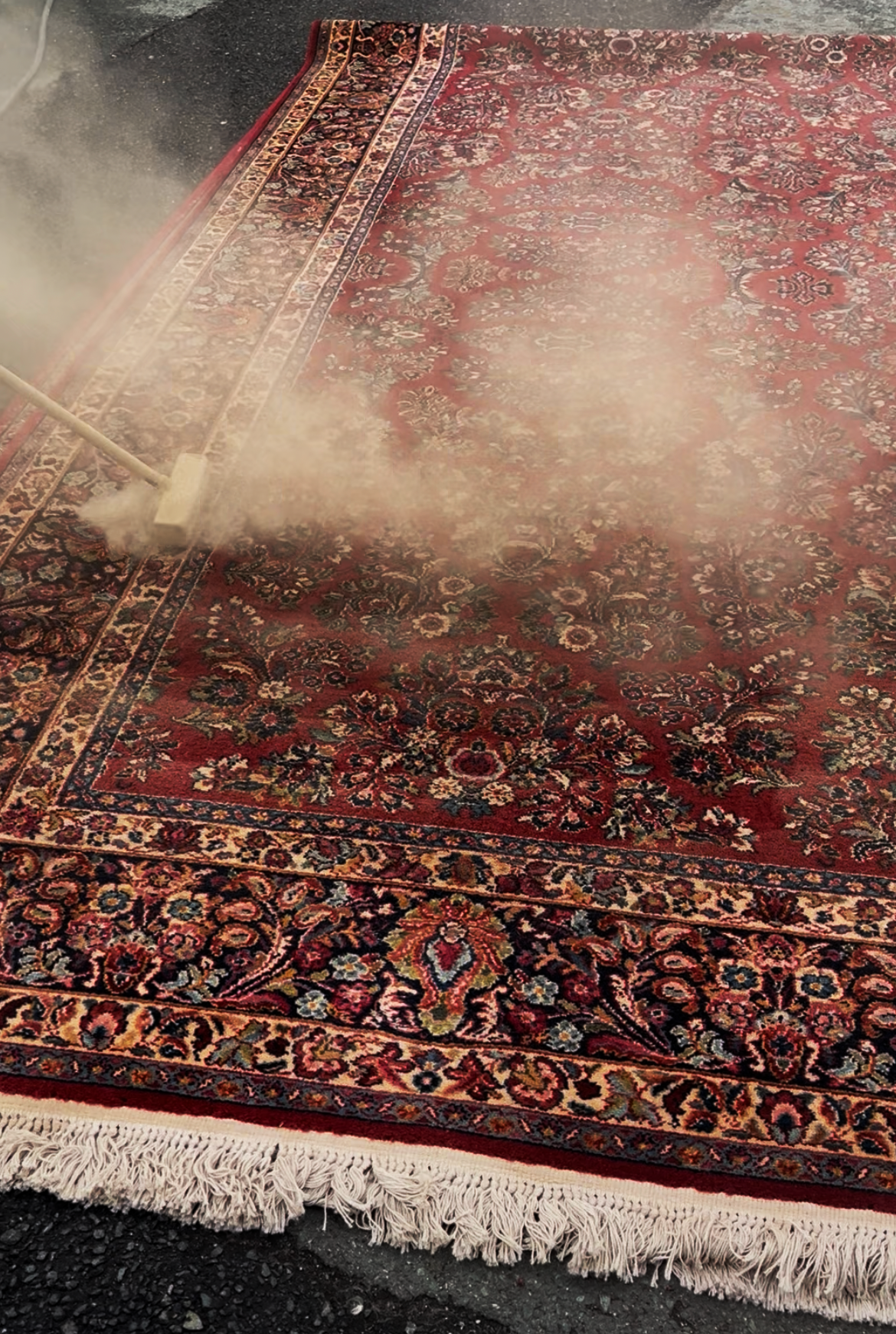
Another massive challenge involves the sheer volume of dirt that woven textiles can conceal. While a standard carpet might show dirt quickly, specialized textiles are practically designed to hide it. The dense construction of the pile can trap pounds of microscopic grit, sand, and dust deep near the foundation. According to New York Times' Wirecutter, the yarns on low-pile rugs generally reach up to a ¼ inch from the backing of the rug. Even with this relatively short distance, the dense packing of these yarns creates a perfect trap for abrasive soil. Over time, this hidden dirt acts like sandpaper, grinding against the foundation and causing premature wear. A standard household vacuum simply lacks the power to pull this heavy particulate matter out from the base. A professional rug cleaning service relies on specialized dusting equipment that physically beats the dry dirt out of the textile before the wet washing phase begins, preventing muddy sludge.
Treating Stubborn Pet Accidents Safely
For pet owners, keeping floors pristine is an ongoing battle, and dealing with animal waste is notoriously difficult. When a dog or cat has an accident, the urine does not just sit on the surface; it penetrates the fibers, the foundation, and even the padding underneath. As the urine dries, it transforms into highly concentrated alkaline crystals that emit a strong, pungent odor, particularly during warm or humid months. Standard sprays merely mask these smells temporarily and often set stains permanently. Effective pet odor removal requires breaking down these microscopic crystals on a molecular level without using abrasive chemicals that could ruin the dye or the weave. A premier rug cleaning service employs specialized, pet-friendly enzymatic solutions and thorough flushing techniques to ensure the odor is completely neutralized. Whether it involves accent rug cleaning for a small piece or handling a massive living room textile, neutralizing waste requires patience and copious amounts of fresh water.
Protecting Fragile Fringes and Dyes
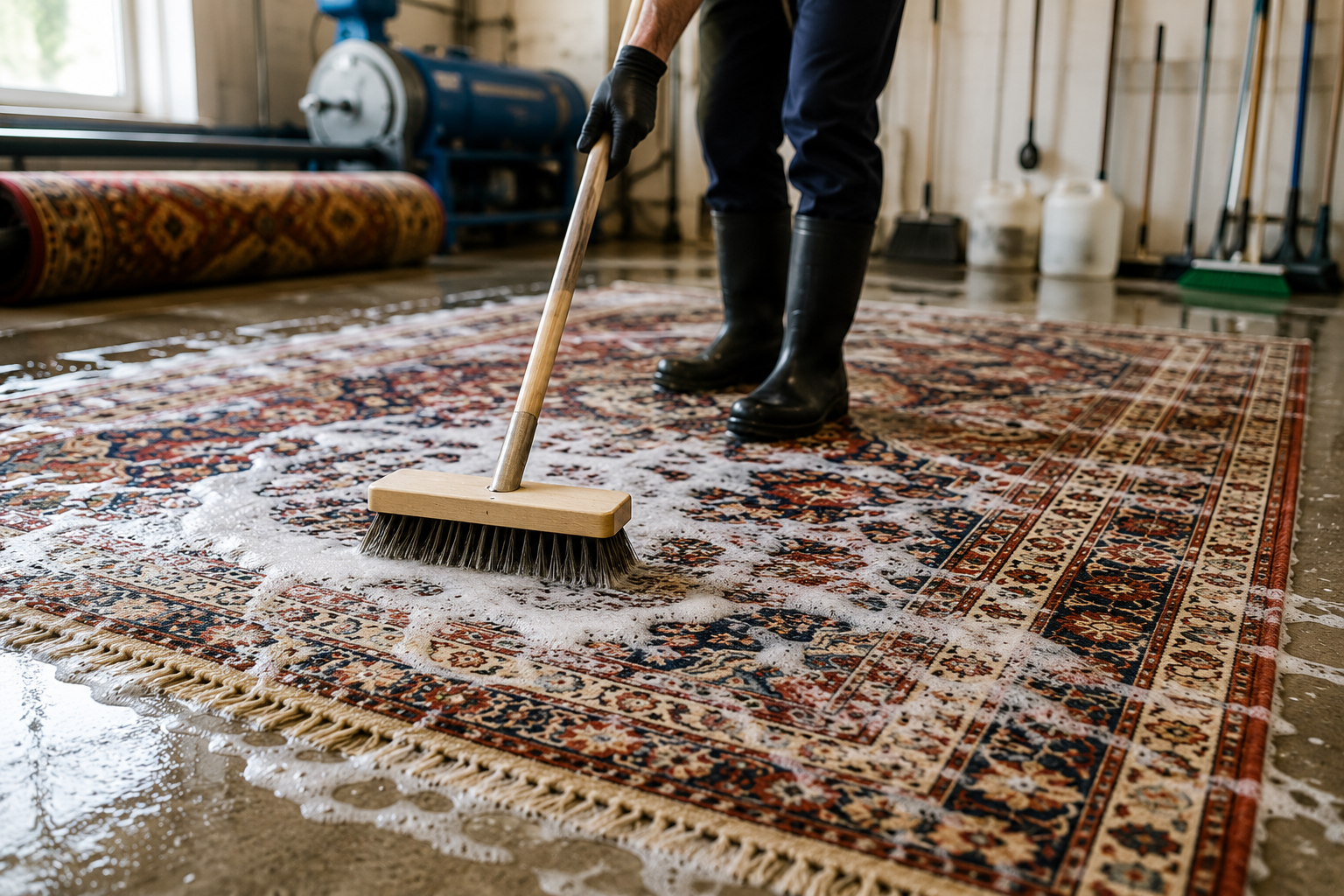
The aesthetic beauty of these woven pieces often comes from rich, vibrant dyes and delicate fringe work, both of which pose significant challenges during the washing process. Many older or handmade textiles utilize natural vegetable dyes that are incredibly prone to bleeding or migrating when introduced to moisture. If an inexperienced person attempts vintage rug cleaning or Oriental rug cleaning without first performing a colorfastness test, the results can be catastrophic. Darker colors can bleed into lighter areas, ruining the design permanently. Furthermore, the fringes on the ends are typically the exposed warp threads of the foundation. They are quite fragile, easily torn by heavy machinery, and prone to browning if they dry too slowly. To prevent color bleeding and fringe damage, a skilled rug cleaning service utilizes specialized dye-locking treatments and meticulous hand-washing techniques. This ensures vibrant hues stay where they belong and the fringes remain structurally sound and pristine.
Managing Proper Moisture and Drying Times
Water is a highly necessary element for a thorough wash, but it is also one of the greatest threats to a textile if not managed correctly. Leaving a piece wet for too long can lead to problems, including mold growth, dye bleeding, and dry rot. Achieving the perfect moisture balance is a delicate science. When executing Persian rug cleaning, for example, the heavy, dense pile holds onto water tenaciously. Professionals must use specialized extraction techniques to pull as much moisture out of the fabric as possible immediately after the final rinse. Following extraction, the pieces must be placed in a climate-controlled drying room with massive air movers and commercial dehumidifiers to ensure they dry rapidly and evenly. A quality rug cleaning service meticulously monitors the humidity and temperature throughout this phase, ensuring that the structural integrity of the piece is never compromised by lingering dampness or slow, uneven evaporation.
Securing the Best Defense with Rug Pads
While the washing process itself is undeniably complex, maintaining the results and preventing future damage is an entirely separate challenge. Many people fail to realize that the environment beneath the beautiful textile is just as crucial as the care it receives on the very top. Hardwood floors and abrasive tiles can wear down the backing of a textile over time due to the constant friction of everyday foot traffic. Additionally, without proper stabilization, textiles can bunch, wrinkle, and create dangerous tripping hazards. This is why investing in high-quality rug pads is an essential part of the overall maintenance strategy. These custom-cut layers provide a barrier that absorbs the impact of footsteps, extending the lifespan of the textile and the floor. Providing custom padding is an integral offering of a comprehensive rug cleaning service, ensuring your piece remains protected and perfectly positioned for years.
Maintaining the beauty and structural integrity of your textiles is undoubtedly a massive undertaking. From navigating the delicate nature of various natural and synthetic fibers to completely extracting deeply embedded dry soil, the hurdles are numerous. Dealing with sensitive dyes, fringes, and organic odors requires a level of expertise that simply cannot be replicated with DIY methods. By investing in area rug cleaning or professional rug cleaning, you guarantee that your cherished pieces receive the meticulous hand-washing and careful climate-controlled drying they desperately need to thrive. To make this complicated process entirely effortless for you, take advantage of convenient rug pickup and delivery services that transport your heavy items with care. Ensure you always utilize a dedicated rug cleaning service to keep your home completely fresh. Keep your home fresh and your textiles vibrant by contacting Rudy's Rug Cleaning today!